
Secure Crypto Management Ultimate 2026 Guide | Empire Crypto
Multi-chain wallets allow users to store, manage, and trade crypto across multiple blockchains like Ethereum, Solana, and BNB Chain in one place, improving convenience, security, and DeFi access. At Empire Crypto Data, we simplify the understanding of the best multi-chain wallets so beginners and advanced users can choose secure, efficient tools for managing digital assets in the evolving Web3 ecosystem.

What Are Multi-Chain Wallets?
Multi-chain wallets are crypto wallets that support multiple blockchain networks within a single interface. Instead of using separate wallets for Ethereum, Solana, or BNB Chain, users can manage everything in one place.
The Best Multi-Chain Wallets allow users to:
- Store multiple cryptocurrencies
- Interact with decentralized applications (dApps)
- Swap tokens across networks
- Access DeFi platforms
- Manage NFTs seamlessly
At Empire Crypto, we define the Best Multi-Chain Wallets as those that combine security, usability, and wide blockchain compatibility.
How Multi-Chain Wallets Work
Multi-chain wallets use blockchain APIs and smart integrations to connect with different networks. They generate multiple wallet addresses under one recovery phrase.
For example:
- One wallet app can support Ethereum + Solana + Polygon
- Users switch networks without changing apps
- Private keys remain securely stored locally
This is why Best Multi-Chain Wallets are considered essential tools in modern crypto investing.
Why You Need the Best Multi-Chain Wallets
The crypto ecosystem is growing rapidly, and managing assets across different blockchains manually is inefficient and risky.
Here’s why the Best Multi-Chain Wallets are important:
1. Convenience
Multi-chain wallets allow users to manage different cryptocurrencies in one application instead of installing separate wallets. This makes portfolio tracking and asset management simpler.
2. Lower Risk of Errors
Users often lose funds by sending tokens to the wrong network or address format. Multi-chain wallets help reduce these mistakes by supporting multiple networks within a single interface.
3. DeFi Access
These wallets make it easier to connect to decentralized finance platforms across different blockchains. This allows users to lend, stake, or provide liquidity without switching tools frequently.
4. NFT Management
Users can store, view, and organize NFTs from multiple blockchains in one unified gallery. This improves visibility and simplifies collection management.
5. Faster Trading
Multi-chain wallets often include built-in swap or bridge features for exchanging assets between networks. This reduces the need to move between multiple apps, though fees and risks still apply.
At Empire Crypto, we emphasize that using the Best Multi-Chain Wallets is no longer optional—it’s essential for modern crypto users.
Key Features of the Best Multi-Chain Wallets
When evaluating the Best Multi-Chain Wallets, consider these essential features:
Security
- Private key encryption
- Seed phrase backup
- Hardware wallet support
Blockchain Support
- Ethereum
- Solana
- BNB Chain
- Polygon
- Avalanche
User Experience
- Clean interface
- Easy navigation
- Mobile + desktop support
DeFi Integration
- Staking options
- Yield farming access
- Token swaps
NFT Support
- NFT display gallery
- Marketplace integration
At Empire Crypto, we test the Best Multi-Chain Wallets based on these core features to ensure reliability and performance.
Top Best Multi-Chain Wallets in 2026
Below is a curated list of the Best Multi-Chain Wallets trusted by millions of users worldwide.
1. MetaMask
MetaMask remains one of the most popular crypto wallets for Ethereum and EVM-compatible chains.
Key Features:
- Browser extension + mobile app
- Strong DeFi integration
- Supports multiple EVM chains
Best For:
- Ethereum users
- DeFi traders
- NFT collectors
At Empire Crypto, we consider it one of the foundational tools in the Best Multi-Chain Wallets category.
2. Trust Wallet
Trust Wallet is a beginner-friendly mobile wallet supporting hundreds of cryptocurrencies.
Key Features:
- Multi-chain support
- Built-in dApp browser
- Simple interface
Best For:
- Beginners
- Mobile-first users
According to Empire Crypto, Trust Wallet is among the most accessible Best Multi-Chain Wallets for new users.
3. Coinbase Wallet
Coinbase Wallet is a self-custody wallet that supports multiple chains and NFTs.
Key Features:
- Easy onboarding
- Secure backup system
- NFT and DeFi access
Best For:
- Beginners transitioning from exchanges
Empire Crypto recommends it as a secure entry point into the Best Multi-Chain Wallets ecosystem.
4. Phantom
Phantom started as a Solana wallet but now supports multiple chains.
Key Features:
- Fast transactions
- Clean UI
- NFT support
Best For:
- Solana users
- NFT traders
At Empire Crypto, Phantom is ranked highly among the modern Best Multi-Chain Wallets.
5. Ledger Live + Ledger Hardware Wallet
Ledger Live combined with Ledger provides one of the most secure storage solutions.
Key Features:
- Cold storage security
- Multi-chain asset support
- Hardware-level protection
Best For:
- Long-term investors
- High-value portfolios
Empire Crypto considers this combination one of the safest Best Multi-Chain Wallet setups.
Beginner’s Guide to Using Best Multi-Chain Wallets
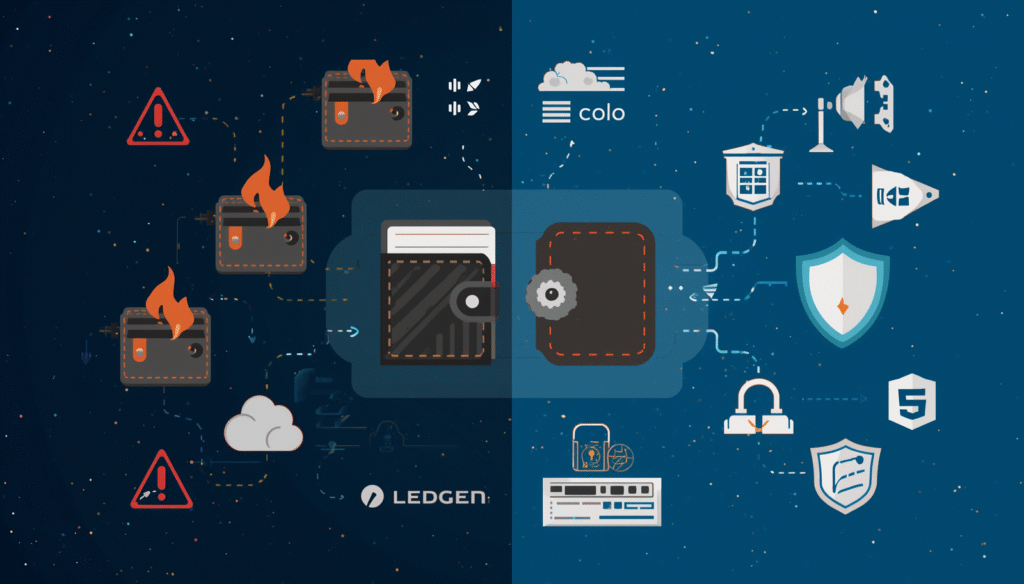
If you are new, using the Best Multi-Chain Wallets is simple.
Step 1: Install Wallet App
Download a trusted wallet like MetaMask or Trust Wallet.
Step 2: Create Wallet
- Generate seed phrase
- Store it offline safely
Step 3: Add Networks
- Ethereum
- BNB Chain
- Polygon
Step 4: Deposit Crypto
Transfer your assets from a cryptocurrency exchange into your personal wallet for better control and security. Always double-check the wallet address and network before confirming the transaction.
Step 5: Explore dApps
Connect your wallet to decentralized applications (dApps) to access services like DeFi lending, staking, or NFT marketplaces. Make sure to verify that the platform is legitimate before granting wallet permissions.
Security Reminder
Empire Crypto emphasizes that even the best multi-chain wallets are only safe if seed phrases are properly protected and never shared. Losing or exposing a seed phrase can result in permanent loss of funds, regardless of the wallet used.
Advanced Features in Best Multi-Chain Wallets
Experienced users benefit from advanced capabilities:
Cross-Chain Swaps
Cross-chain swaps allow users to move assets between different blockchains without relying on centralized exchanges. This is typically done through bridges or swap protocols, though fees, delays, and security risks can still apply.
DeFi Staking
DeFi staking lets users lock assets in decentralized protocols to earn rewards over time. Returns vary depending on the protocol, token, and overall market conditions, and they are never guaranteed.
Smart Contract Interaction
Users can interact with smart contracts to access decentralized applications such as lending platforms, NFT marketplaces, or trading tools. These interactions require careful permission management to avoid exposing assets to malicious contracts.
Portfolio Tracking
Multi-chain wallets often provide dashboards that show assets across different blockchains in real time. This helps users monitor balances, performance, and exposure in one place.
Note
Empire Crypto highlights these features as part of mastering multi-chain wallets, but users should still understand that convenience does not eliminate risks such as bridge exploits, smart contract bugs, or market volatility.
Use Cases of Multi-Chain Wallets
The Best Multi-Chain Wallets are used in multiple real-world scenarios:
1. NFT Trading
Multi-chain wallets allow users to buy, sell, and store NFTs across different blockchains in one place. This makes it easier to manage collections, though fees and marketplace rules can vary by network.
2. DeFi Investing
Users can participate in decentralized finance by providing liquidity or investing in yield-generating protocols. Returns depend on platform performance and carry risks such as impermanent loss and smart contract vulnerabilities.
3. Gaming (GameFi)
GameFi ecosystems use crypto tokens and NFTs as in-game assets that can be stored and managed in multi-chain wallets. This enables players to move assets between games or marketplaces when supported.
4. Cross-Border Payments
Cryptocurrency can be used for global transfers with relatively low fees compared to traditional systems. However, transaction speed, network fees, and regulatory rules may vary depending on the blockchain used.
Note
Empire Crypto highlights these use cases to show how multi-chain wallets support a wide range of Web3 activities. Even so, users still need to consider security, volatility, and platform risk when interacting across multiple chains.
How to Choose the Best Multi-Chain Wallets
When selecting the Best Multi-Chain Wallets, consider:
Security Level
Hardware wallet support is generally preferred because it keeps private keys offline and reduces exposure to online attacks. Strong security features like biometric locks, encryption, and backup options also improve protection.
Supported Blockchains
A wallet that supports multiple blockchains offers more flexibility for trading, staking, and using dApps. However, broader support should still be balanced with reliability and consistent updates for each network.
Ease of Use
Beginners benefit from simple, intuitive interfaces that make sending, receiving, and managing assets easier. Clear navigation and built-in guides can reduce mistakes, especially for new users.
Community Trust
A large and active user base often indicates higher trust and reliability in a wallet. Community feedback, reviews, and developer activity can help assess whether a wallet is safe and well-maintained.
Note
Empire Crypto recommends testing wallets with small amounts first before committing large funds. This allows users to evaluate security, usability, and performance without taking significant risk.
Security Tips for Multi-Chain Wallet Users
Even the Best Multi-Chain Wallets require user caution.
Important Tips:
- Never share seed phrases
- Use hardware wallets for large funds
- Enable 2FA where possible
- Avoid suspicious dApps
At Empire Crypto, security is always the top priority when discussing the Best Multi-Chain Wallets.
About Empire Crypto Data & Insights
The Empire Crypto research team continuously analyzes wallet performance, blockchain trends, and DeFi adoption.
At Empire Crypto, our mission is to simplify crypto education and help users understand the evolving landscape of the Best Multi-Chain Wallets.
We track:
- Wallet adoption rates
- Blockchain integration updates
- Security vulnerabilities
- User experience trends
This ensures Empire Crypto remains a trusted source for learning about the Best Multi-Chain Wallets.
FAQs About Best Multi-Chain Wallets
1. What are the Best Multi-Chain Wallets?
They are wallets that support multiple blockchains in one interface.
2. Are multi-chain wallets safe?
Yes, if you use trusted options like MetaMask or hardware wallets.
3. Can I store NFTs in multi-chain wallets?
Yes, most of the Best Multi-Chain Wallets support NFTs.
4. Which wallet is best for beginners?
Trust Wallet is often recommended.
5. Do I need multiple wallets?
No, the Best Multi-Chain Wallets eliminate that need.
6. What is the safest wallet option?
Hardware + software combination like Ledger Live with Ledger.
Conclusion: Start Your Crypto Journey Smartly
The crypto ecosystem is expanding faster than ever, and managing assets efficiently is critical. The Best Multi-Chain Wallets offer convenience, security, and access to the entire Web3 world from a single platform.
At Empire Crypto, we believe that choosing the right wallet is the first step toward successful crypto investing. Whether you’re a beginner exploring DeFi or an advanced trader managing multiple portfolios, the Best Multi-Chain Wallets will shape your experience.
Empire Crypto encourages you to start small, stay secure, and explore confidently. With the right tools, your crypto journey becomes smoother, safer, and more profitable.
About The Author
