
Iran News: Latest Regional Conflict Info
Understanding the latest developments in Iran News requires a clear look at the rapidly evolving situation across the Middle East. Over recent months, military exchanges, diplomatic maneuvering, and maritime standoffs have reshaped international politics. Consequently, millions of people around the globe regularly check Iran News to track how these events impact global stability, energy markets, and international security.
Current Operational Status and Military Developments in Iran News
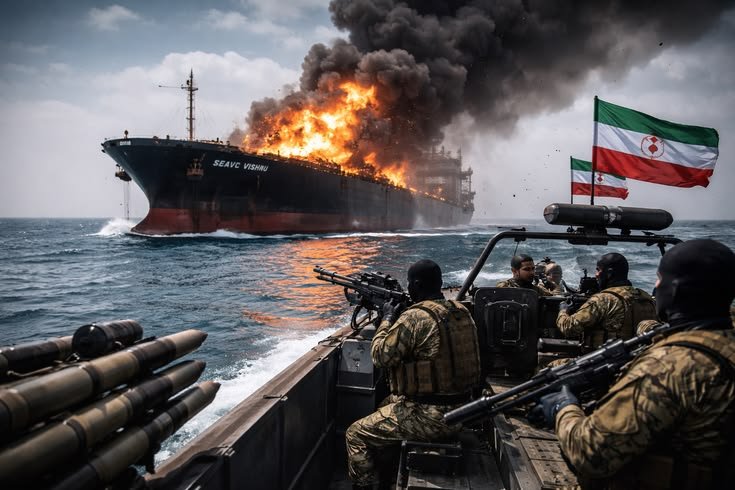
In recent weeks, military reports featured prominently in Iran News emphasize a transition toward defensive restructuring and localized containment tactics. Although full-scale sustained air campaigns have subsided compared to earlier months, targeted strikes and strategic positioning continue. Therefore, understanding the military balance requires looking closely at both maritime maneuvers and air defense capabilities.
Maritime Standoff in the Strait of Hormuz
The Strait of Hormuz remains a central flashpoint in Iran News due to its critical role in global oil transportation. Historically, roughly one-fifth of the world’s petroleum passes through this narrow maritime corridor. However, persistent hostilities and naval blockades have drastically reduced daily commercial vessel transits.
- Naval Blockades: Intermittent blockades and security warnings have severely restricted commercial shipping traffic.
- Alternative Routing: Maritime operators are increasingly utilizing alternative pipelines and workaround routes across neighboring states.
- Security Patrols: Foreign naval forces maintain a visible presence in surrounding international waters to protect merchant shipping.
- Toll Demands: Official announcements from Tehran have raised the possibility of implementing transit tariffs or regulatory inspections for passing vessels.
Consequently, shipping insurance premiums for tankers operating in the Persian Gulf have experienced sharp increases. As a result, international maritime organizations continue to monitor Iran News for real-time navigational guidance and risk assessments.
Missile and Drone Strategies
Another vital topic inside Iran News is the evolution of missile and uncrewed aerial vehicle (UAV) capabilities. During the course of regional exchanges, long-range ballistic systems and low-cost attack drones played a major operational role.
- Layered Defense Networks: Military commanders have deployed advanced air defense systems around key industrial and urban centers.
- Decentralized Command: Regional military units have adopted flexible operational frameworks to maintain readiness during communications disruptions.
- Rapid Stockpile Replenishment: Defence analysts noted in Iran News coverage that production facilities have prioritized indigenous assembly of drone systems.
- Asymmetric Engagement: Force deployment emphasizes asymmetric deterrence to counter conventional technological advantages.
Meanwhile, international defense monitors regularly publish updates on troop movements and military readiness, making Iran News an essential resource for security analysts worldwide.
Diplomatic Mediation and Ceasefire Negotiations in Iran News
Despite ongoing military friction, diplomatic efforts remain active. Indeed, prominent stories in Iran News highlight multi-nation mediation initiatives aimed at establishing a durable framework for peace.
Role of Regional Mediators
Several neutral and partner nations have stepped forward to facilitate indirect talks between key adversaries. Specifically, Pakistan, Qatar, and Oman have emerged as primary diplomatic bridges.
- Pakistan: High-level envoys and defense officials from Islamabad have engaged in frequent shuttle diplomacy between capitals to negotiate security parameters and manage crisis communication channels.
- Oman: Known for its long-standing neutral posture, Muscat has focused specifically on resolving maritime access disputes and facilitating partial shipping arrangements.
- Qatar: Doha continues to leverage its diplomatic channels to support humanitarian coordination and broader regional de-escalation frameworks.
- Turkey and China: Both Ankara and Beijing have maintained diplomatic dialogues with regional leadership, advocating for strict adherence to international law and maritime freedom.
Because direct negotiations between primary combatants remain suspended, these indirect mediation channels are essential. Consequently, media outlets covering Iran News closely monitor official press releases from these mediator capitals for signs of progress.
Core Demands and Stumbling Blocks
Negotiations face several significant technical and political hurdles. Understanding these core demands helps clarify why reaching a consensus takes substantial time.
| Perspective | Primary Negotiation Priorities | Key Non-Negotiable Demands |
| Iranian Position | Sanctions relief, unfreezing of overseas financial assets, lifting of external naval blockades. | Full recognition of sovereign territorial rights and end to unilateral military actions. |
| United States & Allies | Unrestricted freedom of navigation in international waters, dismantling of nuclear enrichment facilities. | Cessation of support for non-state armed groups across the region. |
| Regional Arab States | Regional security guarantees, prevention of spillover strikes, economic corridor stability. | Elimination of ballistic missile threats targeting critical infrastructure. |
As shown above, the core positions reflect deeply rooted security concerns. Therefore, mediators often attempt to divide complex topics into smaller, manageable agreements—such as separate maritime transit protocols before addressing broader security packages.
Global Economic Impact and Energy Markets in Iran News
The economic consequences of the regional confrontation extend far beyond West Asia. Consequently, business journals and economic analysts feature Iran News prominently in their market forecasting reports.
Oil and Liquefied Natural Gas (LNG) Disruption
Because the Persian Gulf is an international hub for hydrocarbon exports, prolonged insecurity leads directly to global energy volatility.
- Crude Oil Price Shifts: Brent Crude and West Texas Intermediate (WTI) benchmarks have experienced sharp price fluctuations whenever tension rises in the Strait of Hormuz.
- Storage Limitations: Tankers blocked from entering regional ports have forced some production facilities to adjust extraction volumes due to storage constraints.
- LNG Supply Tightness: European and Asian energy markets, which rely on regional Liquefied Natural Gas shipments, have faced increased spot-market pricing pressures.
- Strategic Petroleum Reserves: Major consuming nations have evaluated coordinated releases from strategic reserves to buffer potential global shortages.
Accordingly, updates regarding energy infrastructure security form a major component of daily Iran News headlines.
Supply Chain Volatility and Inflation
Beyond direct energy costs, global trade networks face secondary disruptions. For instance, commercial vessels opting to bypass the region must travel around the African continent.
- Extended Shipping Durations: Rerouting commercial cargo around the Cape of Good Hope adds approximately 10 to 14 transit days between Asia and Europe.
- Elevated Container Rates: Longer voyages consume significantly more fuel and reduce available container fleet capacity, driving up global freight rates.
- Fertilizer and Chemical Shortages: Disruptions to regional petrochemical shipments affect global agricultural supply chains, indirectly pushing up food production costs.
- General Consumer Inflation: Higher transport costs eventually pass through to consumer prices, complicating central bank efforts to manage global inflation.
Therefore, global economic planners carefully review Iran News to gauge supply chain risks and adjust economic forecasts accordingly.
Proxy Networks and Regional Escalation in Iran News
A central theme in contemporary Middle East News is the interconnected nature of regional security networks. The ongoing crisis does not exist in isolation; rather, it involves a complex network of regional actors across multiple theaters.

Dynamics in Lebanon, Gaza, and Yemen
The security situation in the Levant and the Arabian Peninsula remains tied to broader regional dynamics.
- Lebanon: Clashes along the southern Lebanese border have resulted in periodic troop deployments and localized security zones. Although diplomatic frameworks have been proposed, enforcement and troop repositioning remain points of contention.
- Yemen: Ansar Allah (Houthi) forces in Yemen continue to launch drone and missile operations targeting commercial vessels in the Red Sea and Gulf of Aden. These strikes demonstrate how peripheral theaters can directly affect global maritime trade.
- Iraq: Non-state armed groups under the umbrella of the Popular Mobilization Forces (PMF) maintain strategic readiness, periodically engaging in skirmishes or targeted exchanges.
- Gaza Strip: Ground operations and humanitarian efforts in Gaza remain heavily intertwined with broader regional stability talks.
Because developments in one theater quickly ripple across others, journalists reporting Iran News emphasize a holistic regional perspective rather than treating disputes as isolated incidents.
Gulf Cooperation Council (GCC) Security Dynamics
The neighboring Gulf Cooperation Council states—including Saudi Arabia, the United Arab Emirates, Kuwait, Qatar, Bahrain, and Oman—find themselves in a delicate position.
- Balancing Security Alliances: GCC members balance long-standing security partnerships with Western nations against the practical necessity of maintaining stable diplomatic relations with Tehran.
- Infrastructure Protection: Protecting critical desalination plants, oil refineries, and domestic ports remains the highest defense priority for Gulf governments.
- Diplomatic De-escalation: Gulf leaders actively support ceasefire initiatives to prevent their sovereign territories from becoming secondary battlegrounds.
Consequently, regional policy announcements are given extensive weight in Iran News publications.
Internal Political Shifts and Leadership Structure in Iran News
Internal political updates form another major topic within Iran News. Following major leadership transitions and security restructurings, state institutions have adapted to navigate an unprecedented period of external pressure.
Strategic Realignment and “Offensive Doctrine”
Reports emerging in Iran News highlight a structural realignment within top national security bodies. Specifically, senior appointments in the Supreme National Security Council (SNSC) and the Islamic Revolutionary Guard Corps (IRGC) signal a clear shift in defense posture.
- Appointment of Key Officials: The elevation of experienced military commanders to senior advisory and security posts underscores an emphasis on operational continuity and defense readiness.
- Offensive Doctrine Shift: Official statements broadcast on national media indicate that defense planners have adopted an “offensive doctrine” intended to deter external aggression through proactive military posture.
- Information Strategies: Government communications focus on framing national defense measures as necessary responses to external blockades and air strikes.
- Economic Resilience Programs: Domestic economic policies prioritize food security, local manufacturing, and alternative trade corridors to mitigate the impact of international sanctions.
As a result, political analysts tracking Iran News pay close attention to official appointments and domestic policy speeches for signals regarding future strategic directions.
Conclusion
Following Iran News offers crucial insights into the shifting geopolitical power balances of West Asia. Because Iran’s political governance combines authentic Shia Islamic jurisprudence with constitutional state bodies, its foreign policy decisions follow clear religious and strategic principles. Furthermore, the recent war involving Iran, Israel, and the United States has underscored the undeniable importance of regional stability for global energy markets and international security.
About The Author
